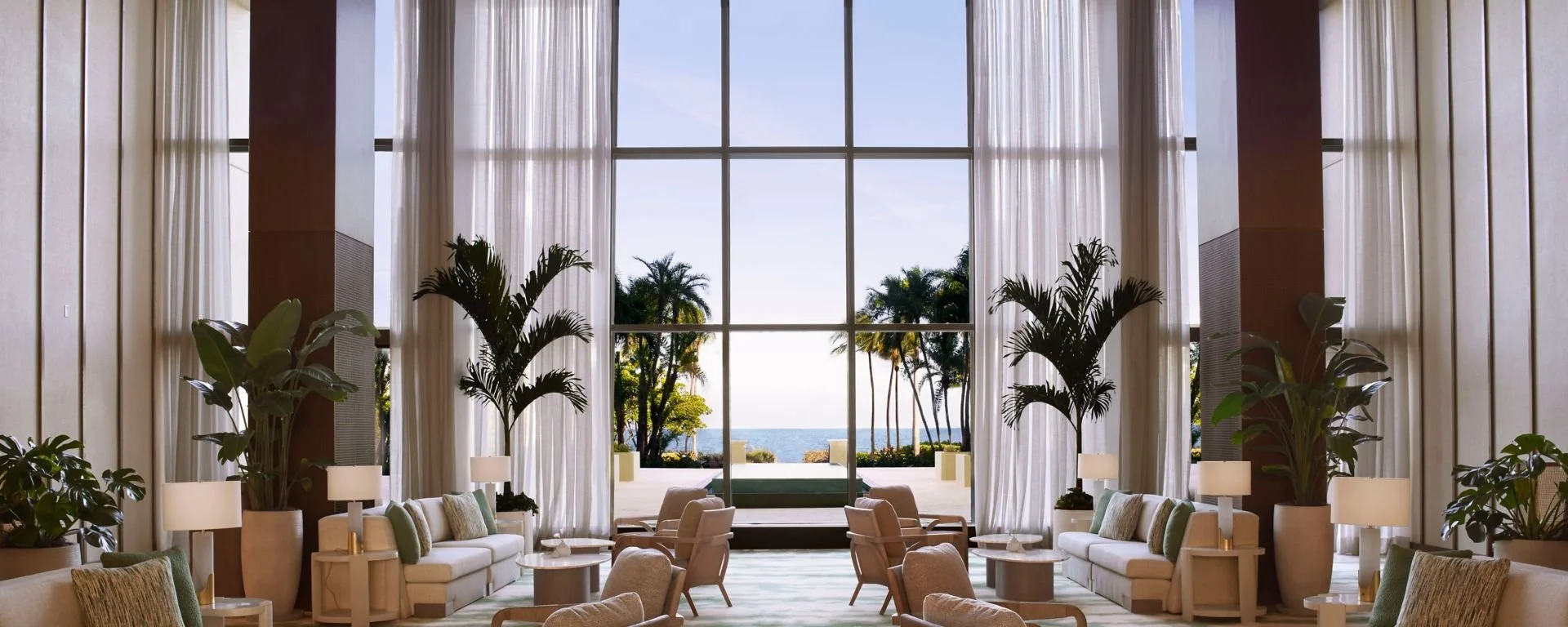
Photo: The Ritz-Carlton, Miami Beach, from Google Images.
The world’s premium hotel establishments do several things to earn a reputation as a 5-star destination, but one of them is absolutely fundamental: specific standards for who they hire and how they equip them.
The thing that true luxury hotel brands know is that the guest experience with staff makes or breaks their loyalty in one, single moment. Even when unavoidable circumstances might create discomfort for the guest, far outside of the hotel’s control, interactions with staff makes all the difference. Staff are the magic-makers for loyalty.
For that reason, the best in the business do a handful of things to ensure they staff the right people for the brand they uphold.
1) They hire for culture first, skills second. They know that skills can be taught, but a culture-fit is rare. When you spot a unicorn, hire them.
2) They treat onboarding as an ongoing immersive process with resources and training over time, not just a 2-hr HR meeting with a stack of paperwork to review.
3) They develop their own internal benchmarks, assessments, coaching support, and signature training programs that include continued education and enrichment.
4) They provide cross-departmental training for a more comprehensive understanding of how all staff impact the guest experience.
I’m going to walk you behind-the-scenes through three of the best in luxury accommodations and how they treat their onboarding and training programs.
Case Study #1: The Ritz-Carlton is known for having service as a core philosophy, not just something they “do.” The Ritz is public about their onboarding approach, which includes an initial immersion and ongoing cultural education.
The Ritz’s initial onboarding stage is comprised of 2.5 days of immersive orientation based on their own signature model. The 2.5 days are foundational, prior to an employee beginning their regular responsibilities. It includes cultural education and an assigned learning coach, who is an experienced colleague. Employees learn the company's Gold Standards, including its Credo, service values, and employee promise — and how these collectively create the guest experience.
Furthermore, the Ritz maintains checkins and accountability to ensure each staff receives the level of resources and support necessary for their success. Their structured process includes:
Day 21: A follow-up orientation checks how well employees are integrating.
Day 30: Employees complete an operational certification.
Day 365: An anniversary conversation reinforces commitment and cultural alignment.
Ritz-Carlton doesn't treat service as a script. Employees are trained to recognize needs, personalize interactions, resolve problems, and take ownership of the guest experience. Its daily lineup tradition also reinforces service principles and stories rather than leaving the culture in an employee handbook.
Case Study #2: Mandarin Oriental created an onboarding program called Move In. Its published model describes a 90-day integration process AND they implement rotational immersion training across departments.
Their Move In onboarding program is designed to ensure that employees have a thorough understanding of: The brand's history and culture, expectations of luxury service, their own professional development pathways, and how their individual contributions affect the overall guest experience. They tell stories, create cross-department training, and have lots of conversations about the culture.
Additionally, in a 2026 interview, Mandarin Oriental's CEO described its Rising Fan management program that highlights standout staff. Selected participants spend 18 months learning different hotel functions, including food and beverage, room service, and front-desk operations. The objective is to understand how the entire operation creates the guest experience, not simply to master one position.
Mandarin Oriental has also partnered with Sommet Education to develop bespoke training and immersive learning opportunities. What they grasp is that employees who understand the entire client journey make better decisions within their individual roles.
Case Study #3: Dorchester Collection properties include Hotel Bel-Air, The Beverly Hills Hotel, The Dorchester, and Hôtel Plaza Athénée. What makes their approach stand out are their values for immersion, refinement, and continuous education. In fact, they have a whole program for this called Engage.
What’s extraordinary about the Dorchester Collection’s model is that they take time to provide training and educational experiences across departments and roles, so the new hire gets to see how every other area is run, not merely their own workstation. In 2024 they averaged 32 hours of in-depth training, with 3-5 minutes per day dedicated to learning reinforcement, and monthly in-person development modules.
They also provide incredibly nuanced training for things like understanding the emotional needs of ultra-high-net-worth clients, the art of small talk, storytelling, personal presence, emotional intelligence, and creating memorable experiences.
Lastly, the thing I love most about Dorchester’s model is that they incorporate a fine-dining experience into training so participants can experience and reflect on luxury firsthand. It then provides workplace coaching two weeks later to reinforce the lessons and identify gaps.
This is an excellent example of experiential learning followed by observed behavioral coaching, not merely a classroom seminar.
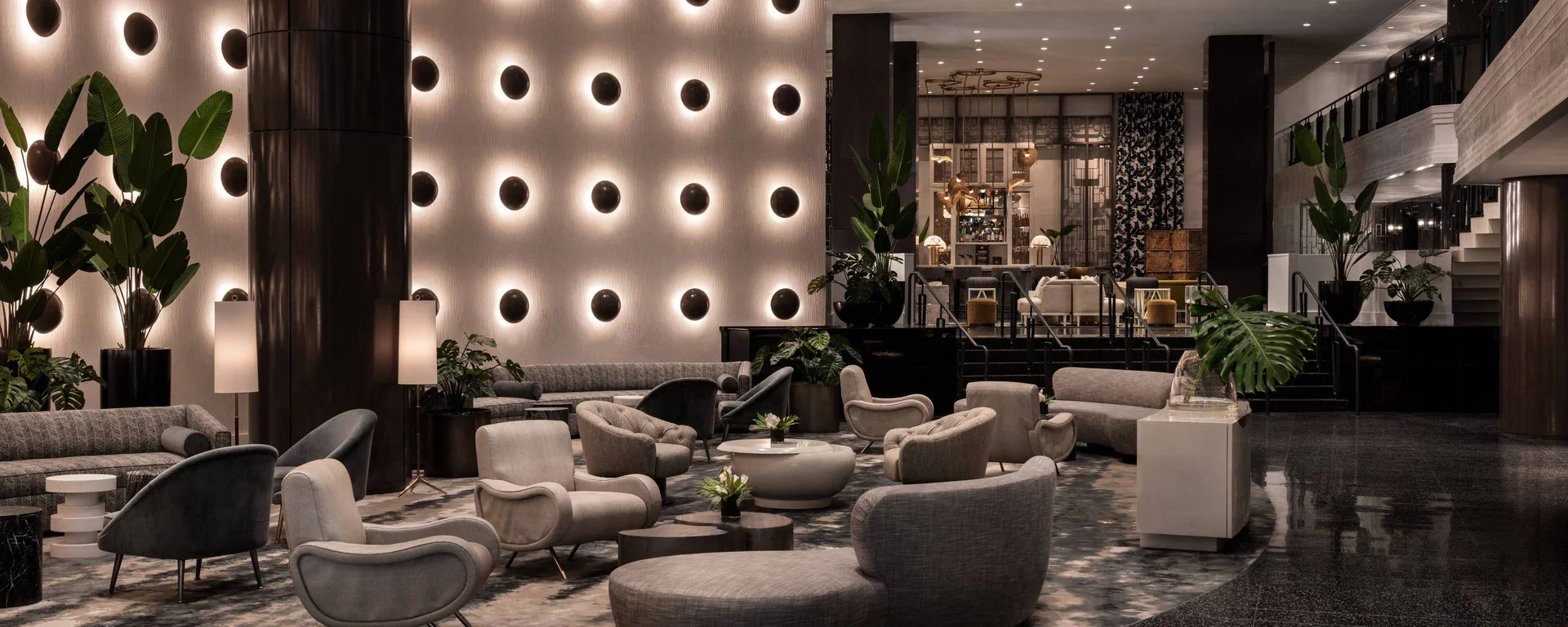
Photo: Ritz-Carlton, South Beach, Ritz’s webiste.
Human Luxury Lesson: Onboarding is one of the most critical factors to successfully maintaining your brand reputation. Onboarding is not a one-time event. Instead, it’s a process that should be continuously refined. Strong reputations and premium culture are built through what’s taught, presented, and allowed in the day-to-day business.
How do you handle your onboarding processes for staff (and for your clients)? How clearly are your values articulated in an experiential way? Do your staff know what your culture feels like… sounds like… looks like?
Do you provide shadowing, mentorship, cross-departmental training, and/or coaching? Do you express the language you use/don’t use and why? How to deescalate and address matters professionally and calmly? Do your staff know how to resolve conflict independently, and are they set up well to do so?
Furthermore, do you engage in top-line skills for your staff, such as small talk, emotional intelligence training, and storytelling? What ongoing training and accountability measures do you provide to ensure there’s ongoing touch points that make your culture strong?
Lastly, do you provide opportunities for feedback (staff to management), and cross-departmental feedback? When everyone has a commitment to make the business better, that gets to be the foundation that everyone engages with.